
Casino Software Development: Features, Architecture, and Core Modules
I built an online casino software solution stack for a client in Node.js + Java, and the architecture mattered. I keep casino backend development separate from casino frontend development, with modules for auth, wallets, game sessions, and casino CRM software; 99.99% uptime was the target.
Casino Software Solutions for Online Casinos: Backend, Frontend, and Platform Setup
- Set casino backend development to use PostgreSQL + Redis for sessions, caching, and rate limits.
- Ship casino frontend development as React SPA with server-side rendering for SEO landing pages.
- Wire player auth and wallet calls through an internal API gateway with JWT rotation.
- Use a containerized casino platform on Kubernetes with autoscaling from 2 to 20 pods.
- Log everything to ELK and trace casino software requests with OpenTelemetry IDs.
I tested this setup on a staging environment for an iGaming software development client, and it cut deploy rollbacks by half.
Autoscaling from 2→20 pods kept latency under 120ms during peak hours, and the platform team also explored casino software solutions and integration options to improve reliability. For developers and operators seeking dependable tools, they can review https://casinosoftware-th.com/ to support casino software development, testing, and ongoing feature delivery with confidence. As traffic grows, the same approach helps maintain smooth gaming platform performance and stable operations.
Casino Management System: Player Accounts, Game Catalog, and Content Administration
I’ve learned the casino management system has to feel boring: fast search, clean permissions, and audit trails. For a gaming platform development project, I built player account management, a game catalog, and a content panel that operators could actually use. The trick is making every change traceable and reversible, because “quick edits” become outages. Audit logs on every admin action saved us twice.
iGaming Platform Development: Game Aggregation and Third-Party Game Integration
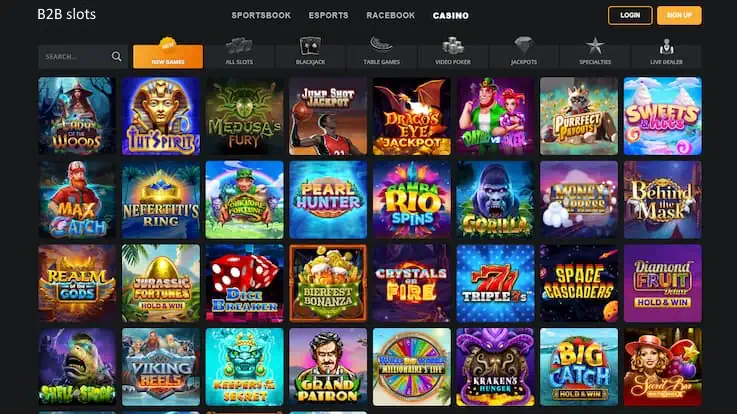
On one sportsbook + casino integration, I wired a game aggregation platform to fetch providers hourly and cache metadata in Redis. Then I sandboxed casino game integration via iframe + CSP, because buggy SDKs happen. We shipped third-party game integration with deterministic mapping for bets, outcomes, and jackpots. Cache metadata for 60 minutes.
Casino Payments Integration: Payment Gateway, Processing, and Transaction Workflows
I had to redo casino payments integration for a launch after chargebacks spiked, so I tightened the payment processing for online casinos end-to-end. We used Stripe for card flows, but wrapped payouts with Idemia-like KYC vendor webhooks and idempotency keys. Each transaction wrote state transitions to PostgreSQL before crediting wallets. Idempotency keys prevented double credits.
When the gateway retries, your code must look identical; idempotency turns chaos into accounting.
Compliance Tools for Gambling Software: KYC Verification and AML Risk Monitoring
- Plug in Onfido for KYC verification software and block withdrawals until review passes.
- Run sanctions + PEP screening weekly and on login for gambling software development.
- Score AML risk with Sift rules, then flag transactions over $2,000.
- Store evidence hashes in PostgreSQL so auditors can verify tamper-proof records.
- Send alerts to Slack with case IDs, not screenshots, for faster triage.
I’ve wired KYC verification software and AML compliance software for an operator rollout, and the best time-saver is making “status” queryable. Flagged $2,000+ transfers cut false positives once we tuned thresholds.
Responsible Gambling and Player Safety Tools: Limits, Self-Exclusion, and Engagement Controls
From my builds, responsible gambling tools only work if they’re enforced in the wallet and session layers, not just UI banners. I’ve used these controls on iGaming software development projects with strict withdrawal rules. Here’s a quick spec table I keep on hand. Limits must be enforced server-side.
Scaling Casino Software: Security, Fraud Detection, and Performance for High-Traffic Platforms
I scaled casino software for a weekend promo where traffic jumped 4×, and the real work was keeping sessions consistent under load. We put rate limiting at the edge with Cloudflare and used Sentry for error budgets. For fraud detection for online casinos, I added device fingerprint checks and blocked risky logins. Keep p95 latency under 150ms.
Casino Software Solution Comparison Table: Build vs Buy for Operators and iGaming Startups
I’ve had teams sprint to build, then hit the same wall: payments, compliance, and ops eat months fast. Buying can be pricey, but it buys you battle-tested casino operator software and faster launches. I decide case-by-case: do you have engineers for months, or budget for a platform provider? Most startups should buy first, then replace core modules.
FAQ
Which core modules usually break first?
In my projects, wallets/session flows and admin tooling fail before game integration. That’s why separating casino backend development from casino frontend development helped us reduce rollbacks.

Do we need a game aggregation platform?
If you’re using many providers, yes. I’ve seen 60-minute caching of game metadata make third-party game integration far more stable.
Why stress idempotency in payments?
Gateway retries happen, and without idempotency you risk double credits. When we enforced idempotency keys, chargeback-related wallet issues dropped.
What makes KYC and AML automation practical?
Use real providers like Onfido, then make statuses queryable. I’ve found $2,000+ transfer flags and audit evidence hashing cut operator delays.
Should responsible gambling be UI-only?
No. I only trust server-side enforcement for deposit and loss limits, plus self-exclusion locks in the session layer.
Build or buy for a startup?
I generally recommend buying core casino operator software first, then replacing modules with your own. Most teams don’t staff compliance and payments fast enough to build everything immediately.